
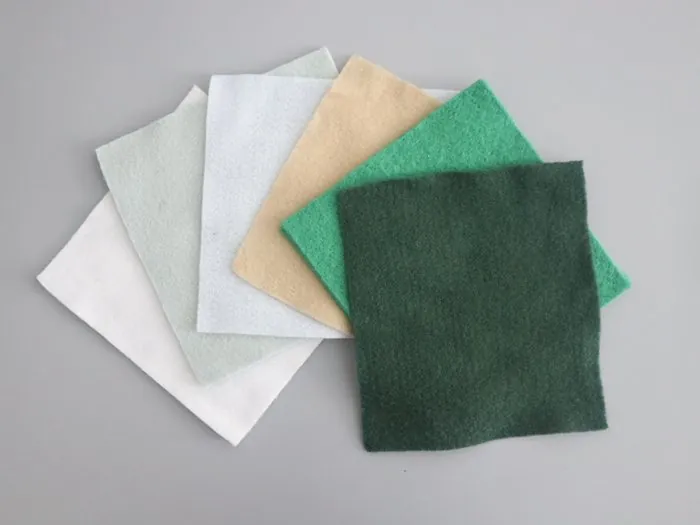
 HY-TUGONGBU
Nonwoven GeotextileGB/T17638
Nonwoven Geotextile
General nonwoven for filtration and cushioning
- Key range
- 100-600 g/m²
- Width / roll
- 1-6 m
Polypropylene nonwoven for filtration and separation where chemical resistance to acids and alkalis is more important than tensile strength.
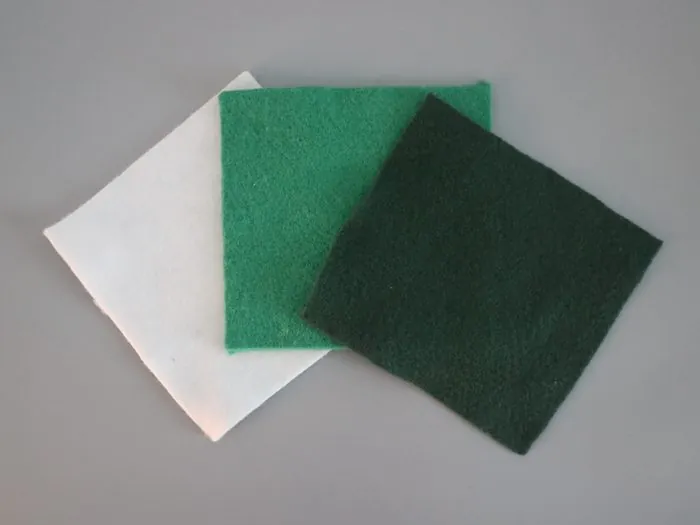
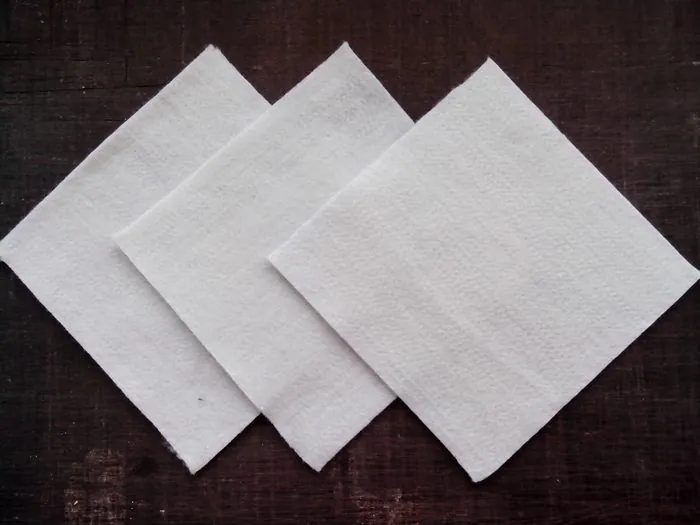 PRODUCT / PHOTO
| Fibre | Polypropylene (PP) |
| Mass per unit area | 100-600 g/m² |
| Width | 1-6 m |
| Chemical resistance | Acid and alkali resistant; low water absorption |
| Typical use | Chemical basins, wastewater ponds, saline ground, leachate filtration |
| Standard | GB/T 17638 |
Typical production ranges for Polypropylene Geotextile; project values are confirmed against the drawing and test report before shipment.
Request data sheet & quoteAlkali and acid resistant filtration in industrial and coastal works. The material package around Polypropylene Geotextile — cushion geotextile, drainage, anchoring and welding — is selected with the same drawing.
Resin and surface type, standard range, roll form and the installation points that affect welding quality.
Polypropylene has better chemical resistance than polyester in many alkaline and acidic environments, but lower melting point and tensile strength. Confirm both chemistry and temperature.
Compare with my specificationWeifang industrial wastewater equalisation basin — 1.5 mm HDPE liner + chemical-resistant geotextile. Reference configuration for Polypropylene Geotextile, not a delivered project record.
Reference configurations, not delivered project records.
Polypropylene nonwoven for filtration and separation where chemical resistance to acids and alkalis is more important than tensile strength.
Final thickness, width and surface are confirmed against the drawing, design head and chemical exposure.
Welding parameters and seam records for Polypropylene Geotextile are supplied with the shipment; for the first production welds, an engineer can attend site.
Choose polypropylene for acid/alkali exposure and polyester for general civil filtration where its strength is an advantage. Always confirm temperature and chemical concentration.
As a cushion under geomembrane, 500-600 g/m² is common; for drainage and filtration in normal earthworks 200-300 g/m² is usually sufficient. Check the design specification for tensile and permeability values.
Filament geotextile has higher tensile strength and better durability for reinforcement and heavy civil work. Staple fibre is cost-effective for filtration, separation and protection layers.
Yes. A 500-600 g/m² nonwoven geotextile is typically placed between the prepared subgrade and the geomembrane to prevent puncture and to provide drainage.
Other products in the geotextile range, plus the eight material systems used around Polypropylene Geotextile.
HY-TUGONGBUGeneral nonwoven for filtration and cushioning
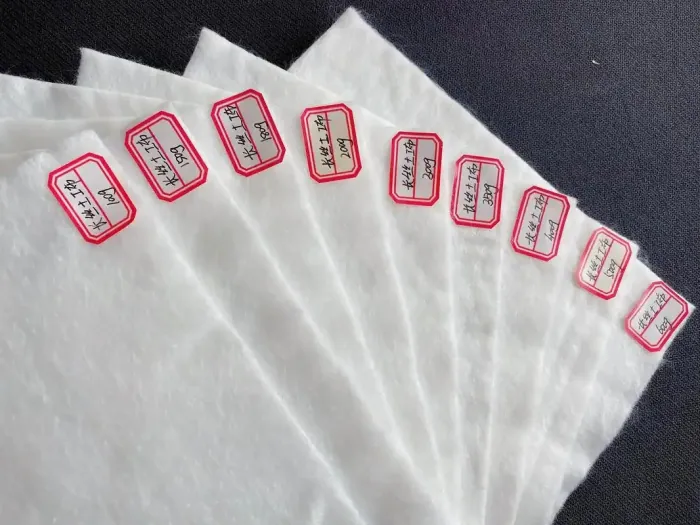 HY-CHANGSI
High-strength filament geotextile
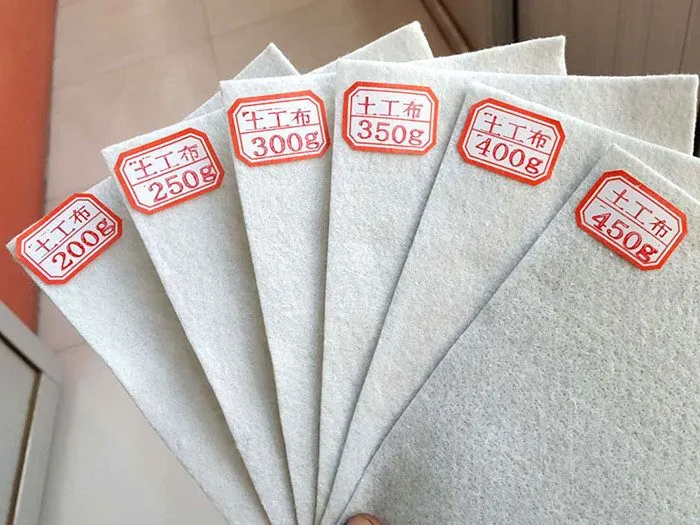 HY-DUANSI
Cost-effective staple-fibre geotextile
 HY-DILUN
Polyester geotextile for chemical exposure
Fill what you know. The button creates a structured email in your mail app; nothing is stored on this website.
Send the specification values, area, head and delivery port for Polypropylene Geotextile; we will confirm the standard and reply with a material schedule.