
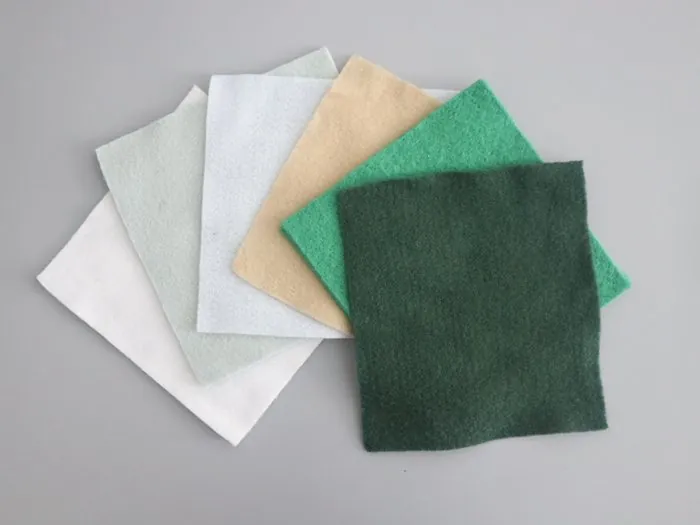
 HY-TUGONGBU
Nonwoven GeotextileGB/T17638
Nonwoven Geotextile
General nonwoven for filtration and cushioning
- Key range
- 100-600 g/m²
- Width / roll
- 1-6 m
Continuous-filament geotextile for reinforcement, heavy filtration and protection layers where tensile strength and creep behaviour matter.
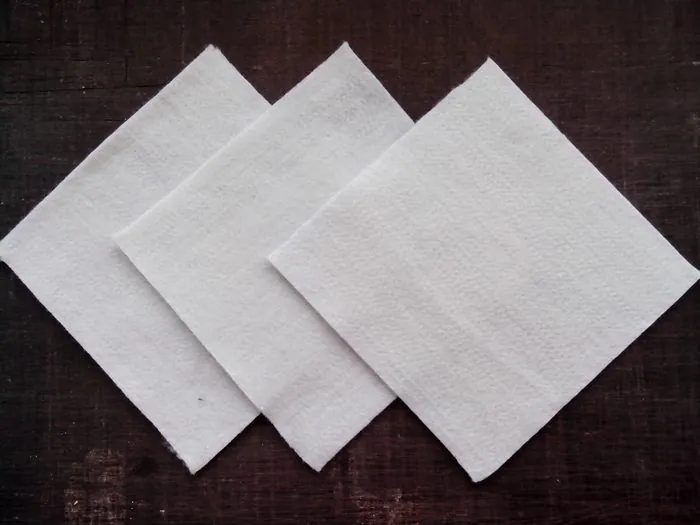
 PRODUCT / PHOTO
| Fibre | Polyester (PET) continuous filament, spun-bonded and needle-punched |
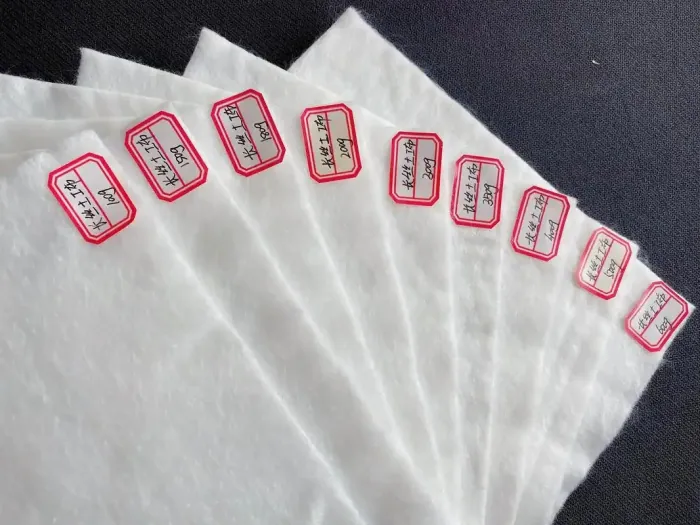
| Mass per unit area | 100 / 150 / 200 / 300 / 400 / 500 / 600 / 800 g/m² |
| Width & roll length | 1-6 m width; 4-6 m common |
| Tensile strength | ≥ 15 kN/m (400 g/m², machine direction, typical) |
| O95 pore size | 0.07-0.2 mm, adjusted by mass |
| Standard | GB/T 17639-2023 |
| Functions | Filtration, separation, drainage, reinforcement, membrane protection |
Typical production ranges for Continuous Filament Geotextile; project values are confirmed against the drawing and test report before shipment.
Request data sheet & quoteReinforcement, heavy filtration and protection layers. The material package around Continuous Filament Geotextile — cushion geotextile, drainage, anchoring and welding — is selected with the same drawing.
Resin and surface type, standard range, roll form and the installation points that affect welding quality.
Filament geotextile has higher tensile strength and better long-term creep performance than staple fibre. Use it where the design specifies reinforcement or high puncture demand.
Compare with my specificationLinyi tailings dam starter lining — 1.5 mm HDPE + 600 g/m² geotextile. Reference configuration for Continuous Filament Geotextile, not a delivered project record.
Reference configurations, not delivered project records.
Continuous-filament geotextile for reinforcement, heavy filtration and protection layers where tensile strength and creep behaviour matter.
Final thickness, width and surface are confirmed against the drawing, design head and chemical exposure.
Welding parameters and seam records for Continuous Filament Geotextile are supplied with the shipment; for the first production welds, an engineer can attend site.
Filament is preferred where high puncture and tensile demand are specified. Staple fibre can be used for lighter cushion and filtration duties if the design values are met.
As a cushion under geomembrane, 500-600 g/m² is common; for drainage and filtration in normal earthworks 200-300 g/m² is usually sufficient. Check the design specification for tensile and permeability values.
Filament geotextile has higher tensile strength and better durability for reinforcement and heavy civil work. Staple fibre is cost-effective for filtration, separation and protection layers.
Yes. A 500-600 g/m² nonwoven geotextile is typically placed between the prepared subgrade and the geomembrane to prevent puncture and to provide drainage.
Other products in the geotextile range, plus the eight material systems used around Continuous Filament Geotextile.
HY-TUGONGBUGeneral nonwoven for filtration and cushioning
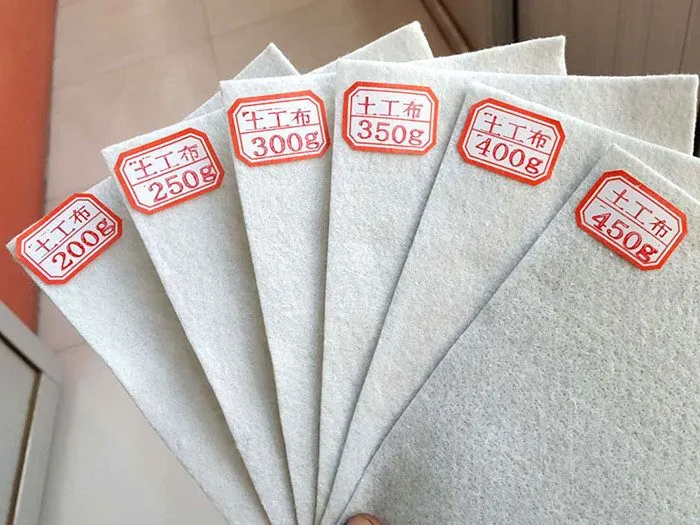 HY-DUANSI
Cost-effective staple-fibre geotextile
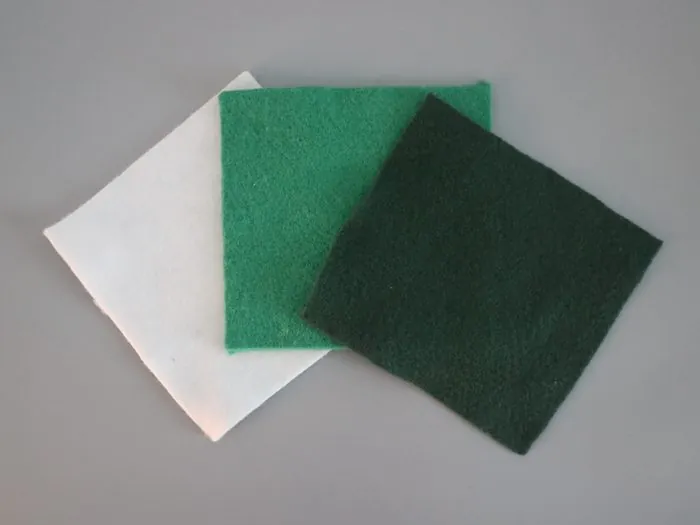 HY-DILUN
Polyester geotextile for chemical exposure
 HY-BINGLUN
Polypropylene geotextile for acid/alkali service
Fill what you know. The button creates a structured email in your mail app; nothing is stored on this website.
Send the specification values, area, head and delivery port for Continuous Filament Geotextile; we will confirm the standard and reply with a material schedule.